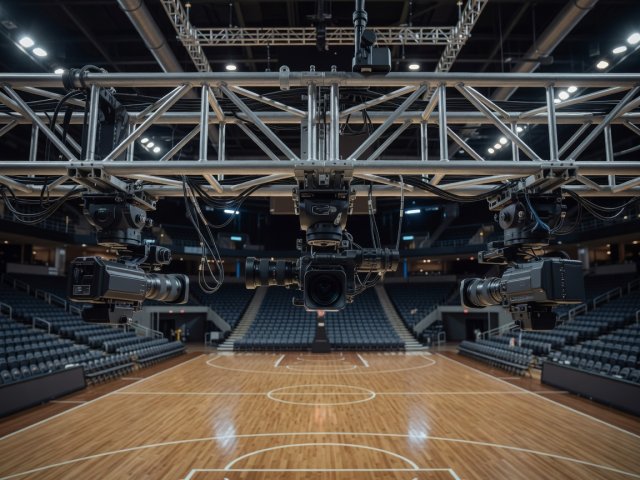
Gantry & Truss Height
Mounting cameras 6 to 10 meters above playing level separates overlapping athletes and keeps the ball visible behind defensive screens.
Calibration guideAutomated sports camera control reduces repetitive pan-tilt work for clubs and regional competition crews, yet framing quality still depends on court geometry, lighting stability, and disciplined human override.
Intelligent camera systems promise one-click coverage of football, ice hockey, basketball, and court sports. In practice, every automated controller solves a narrower engineering problem: estimating where play is moving and translating that vector into smooth pan, tilt, and zoom coordinates—or cropping a virtual camera window from a stitched 8K or 12K panoramic sensor.
Production teams get better results when they treat camera automation as one link in a broadcast chain rather than a turnkey replacement for production judgement. A youth tournament stream needs wide spatial clarity and reliable scoreboard sync; a league broadcast demands tight reaction shots, clean cutaways, and zero motion sickness during rapid turnovers.
What these control notes cover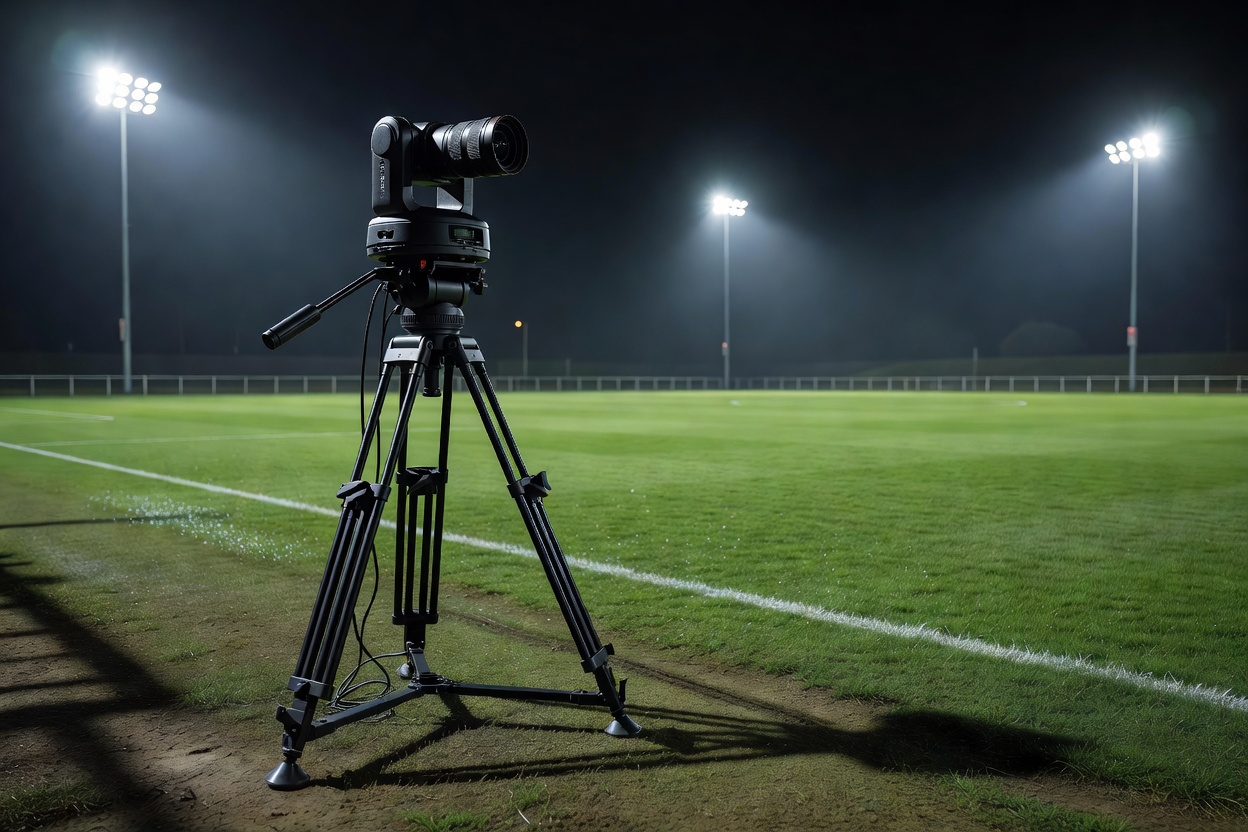
No tracking model understands why a coach is arguing with a touchline official or which injured player deserves a respectful wide hold. Plan your override triggers before kick-off.
Modern systems combine ball-trajectory detectors, player-centroid clustering, and sport-specific tactical heuristics. When a fast break unfolds, dead-band filtering prevents the lens from jittering on every pass, while velocity damping slows the pan head cleanly as play settles in the penalty box or offensive zone.
Knowing the difference between mechanical optical PTZ tracking and electronic pan-tilt-zoom (ePTZ) cropping inside a fixed multi-sensor array determines how your broadcast handles glare, low-light noise, and resolution falloff at full zoom.
Read Tracking & Framing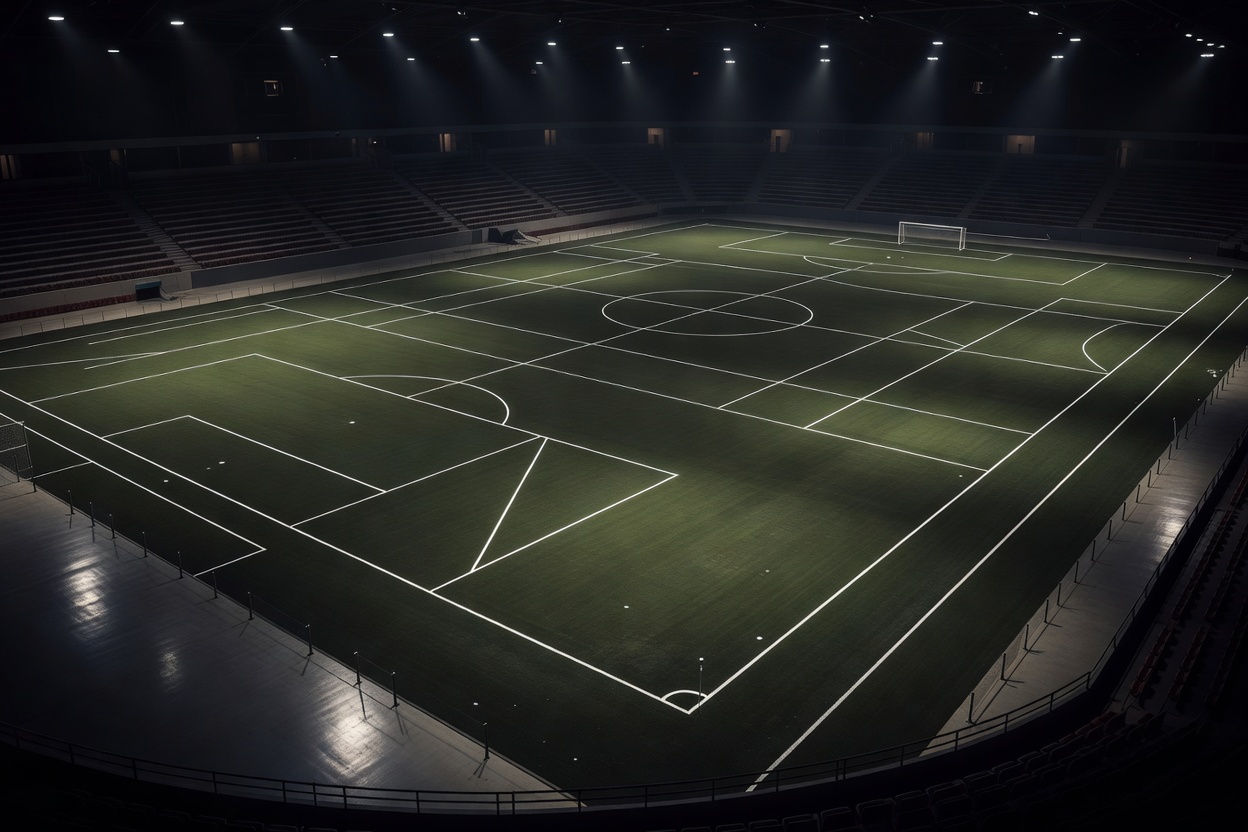
Tracking accuracy drops sharply when a camera sits too low, faces unshielded floodlights, or loses unobstructed views of the near touchline.
Mounting cameras 6 to 10 meters above playing level separates overlapping athletes and keeps the ball visible behind defensive screens.
Calibration guide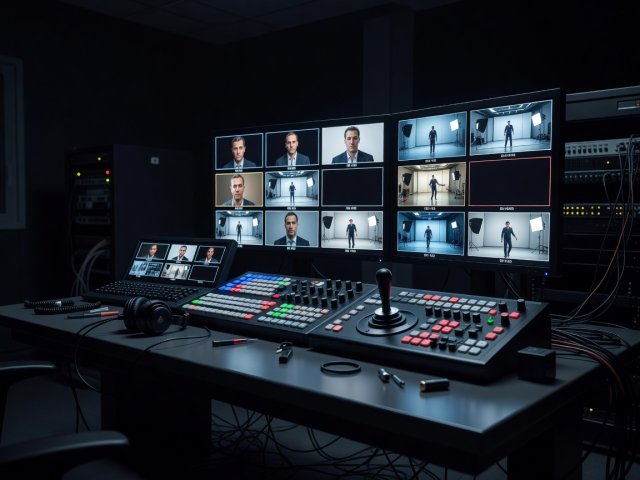
Instant proportional handoff lets a single operator step in during set-piece formations, substitutions, or disputed referee calls.
Oversight protocol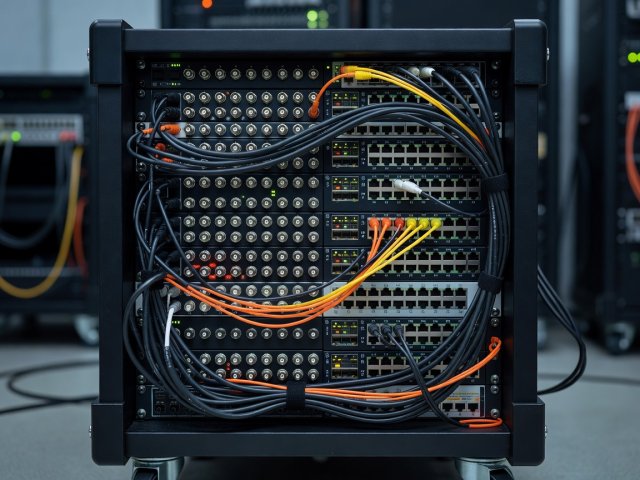
Clean camera control requires matched frame rates, predictable latency, and genlock or NTP timing across switcher and encoder.
Workflow specsRain droplets on front glass, an adjacent warm-up pitch with stray balls, dark indoor corners, and referee whistles all create edge cases where computer-vision confidence drops. Without a clear recovery workflow, an unattended unit may drift toward a spectator stand or lock onto a ball boy on the touchline.
Effective sideline teams define safe fallback presets—such as an instant return to a centered tactical wide shot—and pair automated follow modes with manual tally awareness.
Explore operator handoff rules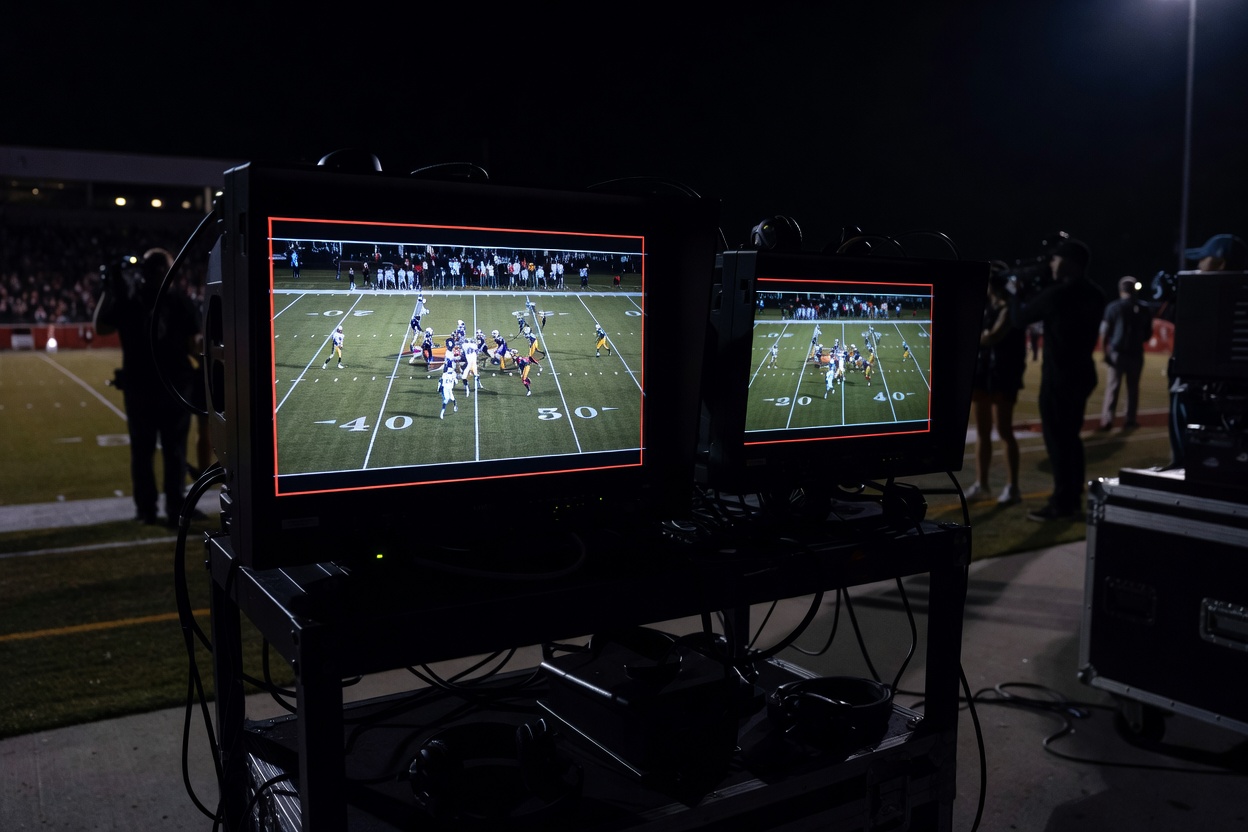
A camera head that tracks play smoothly still fails the broadcast if its output introduces variable frame rates, drops audio sync inside an NDI bridge, or saturates a venue uplink. Production integration maps VISCA-over-IP control packets, 12G-SDI or NDI streams, replay buffer triggers, and graphics overlays into one predictable signal chain.
Inspect signal workflowComparing panoramic virtual framing against robotic PTZ heads for a multi-court hall, or troubleshooting jitter on an existing venue rig? Review common broadcast questions or build a plain-text production brief to organize your site specs.
Sport & ball speed, mounting height above the playing surface, ambient lux levels, target frame rate (50p/59.94p), and whether a dedicated operator can supervise live tally.